Discover the Fundamental Value of Insurance for Economic Safety and Peace of Mind
Insurance plays a pivotal role in shielding from life's unforeseen events. It offers a structure for economic stability, providing coverage from accidents, sicknesses, and loss of possessions. Familiarizing oneself with the different forms of protection offered can significantly affect one's fiscal health. Moreover, making informed choices about insurance policies makes certain that individuals and families are properly equipped for unexpected events. As the conversation unfolds, it becomes clear how these factors foster a sense of security and well-being.
Understanding Various Forms of Insurance Protection

While many individuals recognize the importance of insurance, they frequently miss the different forms of protection offered. Each type serves a distinct purpose and meets diverse situations. Medical coverage, for example, gives fiscal support for treatment bills, guaranteeing availability to essential health treatments. Auto insurance shields against financial setbacks related to car crashes, theft, and damage, providing security on the road. Homeowners insurance safeguards property against risks like fire, theft, and catastrophic events, building assurance for homeowners. Additionally, a life policy acts as a fiscal safeguard for beneficiaries in the event of the policyholder's passing. Alternative types, such as renters insurance and liability coverage, address specific scenarios that individuals may encounter in their lives. Knowing these different possibilities is crucial for selecting prudently about personal financial protection and achieving long-term security.
The Function of Insurance in Mitigating Danger
Insurance plays an essential role in risk management by giving a clear strategy to reducing potential financial losses. Organizations and individuals alike utilize insurance as a forward-thinking step to shift liability from themselves to an insurer, thus reducing their exposure to unexpected occurrences. By evaluating various risks, insurance products are tailored to address specific needs, whether it be property damage, liability, or health-related issues.
In risk management, insurance serves as a financial safety net. It allows businesses and individuals to bounce back from unforeseen problems without suffering severe financial damage. In addition, the known cost of coverage facilitates better budgeting and financial planning. By integrating insurance into an all-encompassing risk mitigation plan, organizations can concentrate on advancement and expansion, assured that they are shielded against potential setbacks. In conclusion, the role of insurance in risk management builds strength, guaranteeing security in the face of uncertainty.
Protecting the Finances of You and Your Family
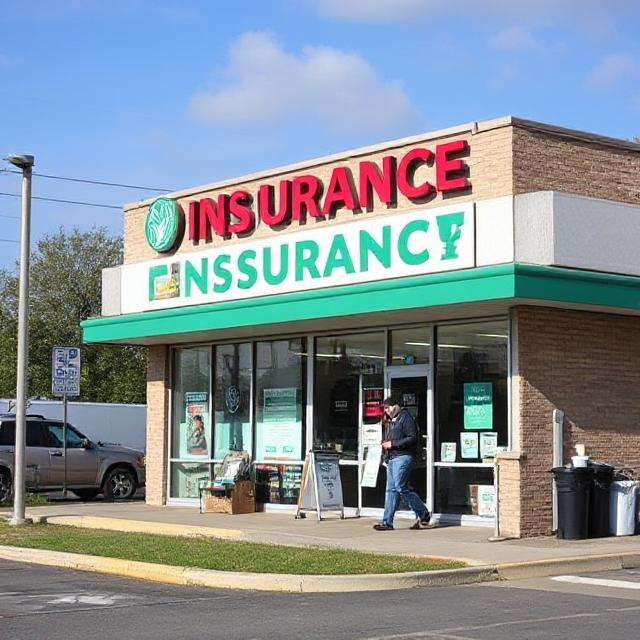
When families make a priority of securing their finances, they build a protective shield that safeguards their loved ones against unexpected difficulties. Insurance is essential in achieving this goal, providing different types of coverage that protect families from major financial strain stemming from accidents, illnesses, or unexpected events. Health insurance, specifically, covers healthcare bills, ensuring that families can access required medical care without crippling their finances.
Coverage for life offers extra protection by offering a financial payout to beneficiaries in the event of the policyholder's death, allowing families to maintain their quality of life. Homeowners or renters insurance protects against property loss or damage, providing additional security for a family's finances.
Peace of Mind Through Comprehensive Coverage
Extensive coverage offers families a strong structure for protecting their financial health, increasing the sense of security that comes from being certain that they are ready for a variety of potential risks. Thanks to comprehensive coverage, individuals can face life's unknowns without the stress of potential surprise bills. This sense of security allows families to focus on their daily lives, leading to better relationships and general contentment.
Moreover, thorough coverage often includes different components such as property, health, and liability safeguards, which all work toward a more stable financial position. If families are certain they have proper safeguards, they are more likely to pursue opportunities, such as furthering education or purchasing property, without fear of losing their investments due to unexpected events. Finally, the security that thorough insurance delivers empowers families to live fully, knowing they have a safety net in place for the uncertain times life brings.
How to Select Insurance Coverage with Confidence
How can people ensure they select the optimal options when picking insurance plans? To answer this, thorough research is imperative. Policyholders need to start by determining their particular needs and monetary standing, which enables them to figure out the kind of coverage needed. Comparing multiple insurance providers is crucial, since it reveals differences in rates, deductibles, and policy maximums. In addition, checking client testimonials and consulting independent ratings offers clarity regarding the dependability of carriers.
Knowing the contract details is crucially important; individuals must grasp what is covered and any related content exclusions so there are no unexpected costs down the road. Engaging with licensed insurance agents can help explain complex options and assist in customizing coverage to suit individual situations. In the end, making educated choices about insurance policies demands thorough review of alternatives, diligent research, and an awareness of one's unique needs, leading to the best safeguard and financial security.
Frequently Asked Questions
How Do Insurance Premiums Vary Based on Risk Factors?
Insurance premiums vary based on factors including age, health, location, and history of filing claims. Increased assessed dangers usually lead to increased premiums, while minimal hazards may result in price reductions and better pricing for the insured.
Am I Able to Modify My Coverage Mid-Policy?
Absolutely, people are able to modify their insurance coverage during the policy term. Nevertheless, changes might impact premiums and demand the insurance company's consent. It's advisable to review the policy terms and speak with an insurance agent for guidance.
What Occurs When I Fail to Make a Premium Payment?
In the event a payment is not made, the policyholder might be given a grace period to make the payment. Not paying could lead to policy cancellation, termination of benefits, and problems securing future coverage.
Are There Tax Benefits for Having Certain Types of Insurance?
Absolutely, specific forms of coverage, such as health and long-term care insurance, may provide tax benefits. The payments may sometimes be subtracted from taxable income, contributing to potential savings and financial advantages for policyholders.
How Do Claims Processes Differ Among Insurance Companies?

Claims processes show wide variation among insurance providers, with some requiring extensive documentation and some others offering easy online applications. Timeliness, customer support, and clarity also differ, impacting the overall experience for insured parties during a claim.